the soulquarians

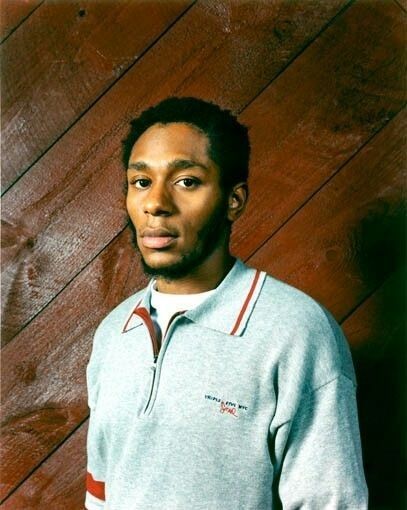
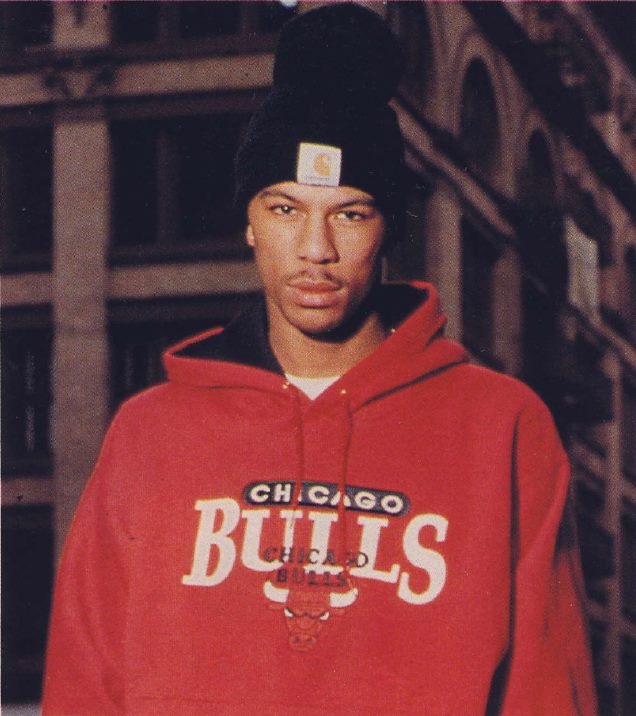
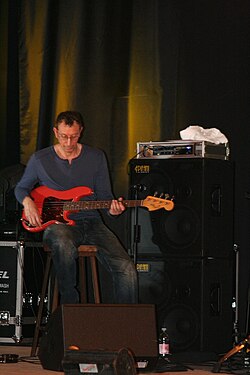
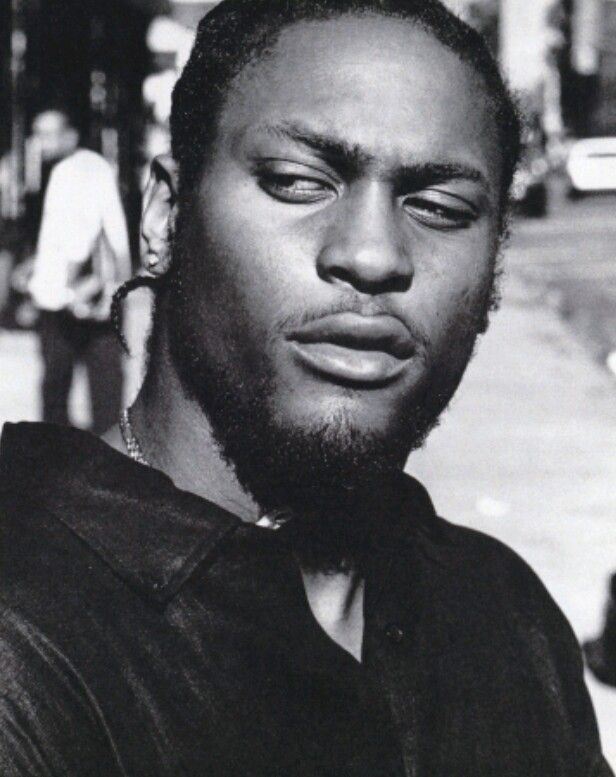
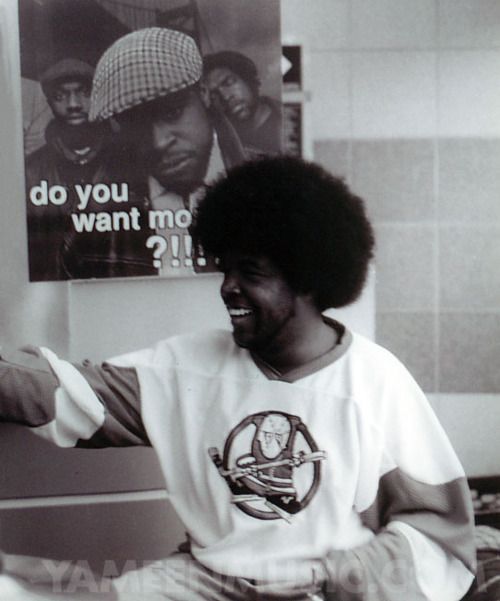
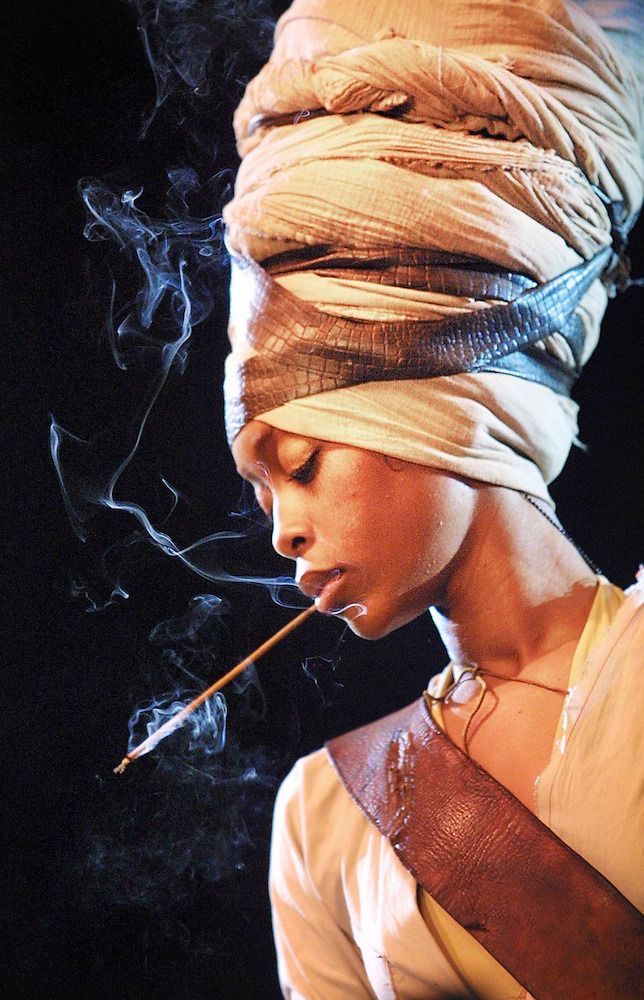
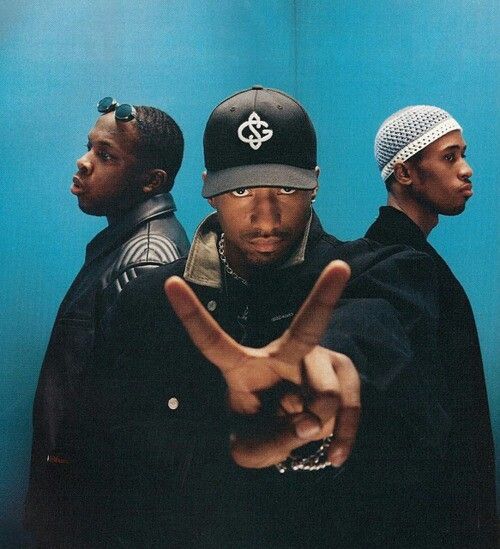
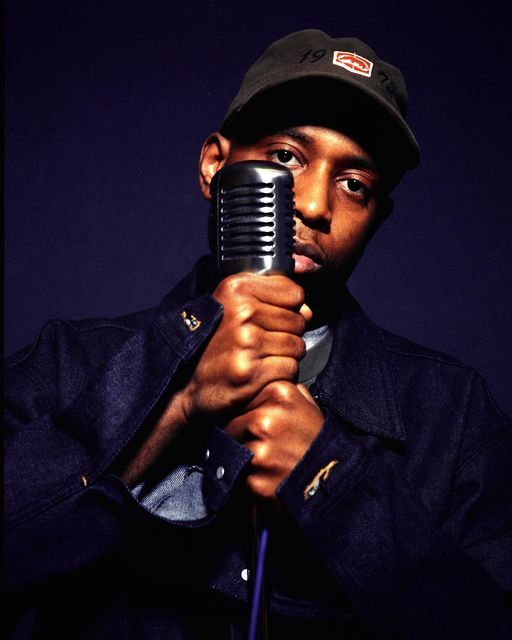
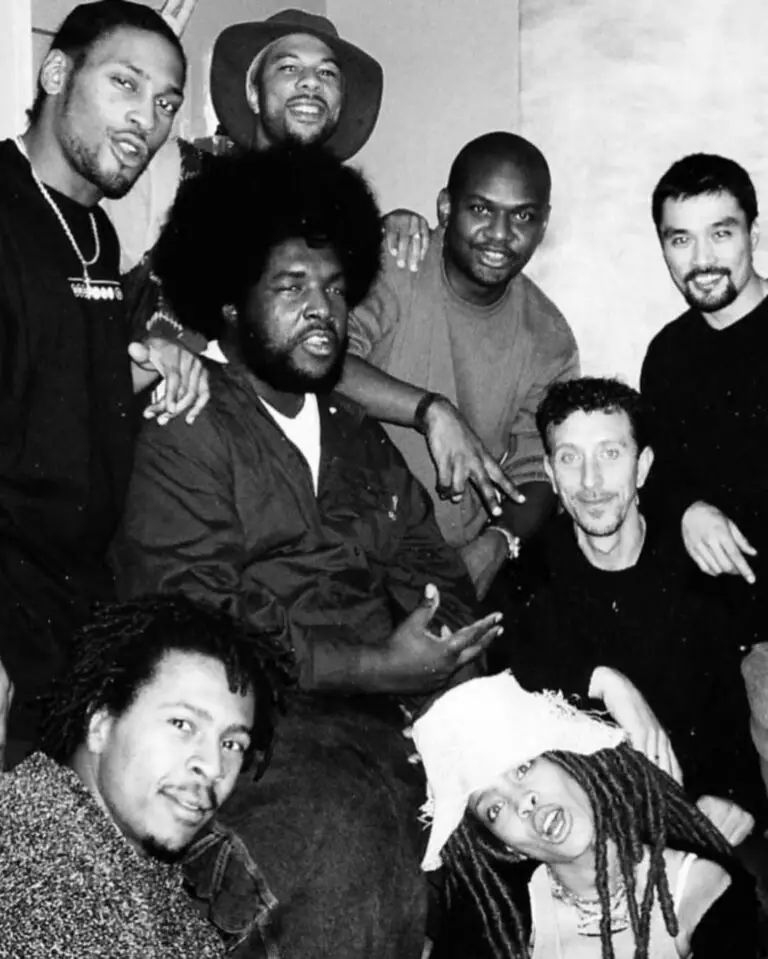
The Soulquarians were a rotating collective of experimental Black music artists active during the late 1990s and early 2000s. Initially, they were formed by singer and multi-instrumentalist D'Angelo, drummer and producer Questlove, and producer-rapper J Dilla. They were later joined by singer-songwriter Erykah Badu, trumpeter Roy Hargrove, keyboardist James Poyser, singer Bilal, bassist Pino Palladino, rapper-producers Q-Tip and Mos Def, and rappers Talib Kweli and Common. Prior to its formation, Q-Tip, Common, Mos Def, and Talib Kweli were members of the Native Tongues collective, whilst Q-Tip's original group A Tribe Called Quest served as one of the inspirations behind the Soulquarians.


Click the pages above to learn more.
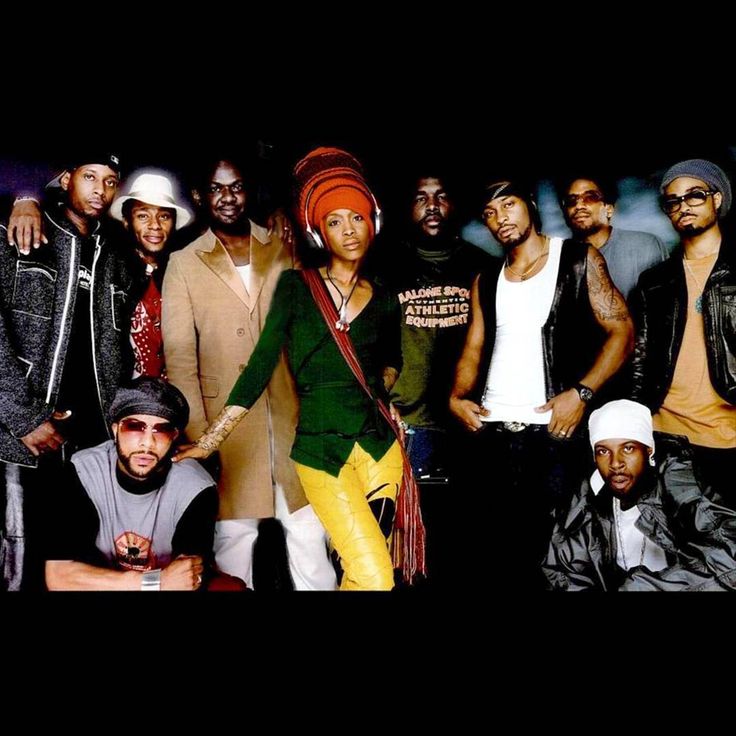
The Soulquarians Group Photo
Vibe Magazine (2000)

The Soulquarians

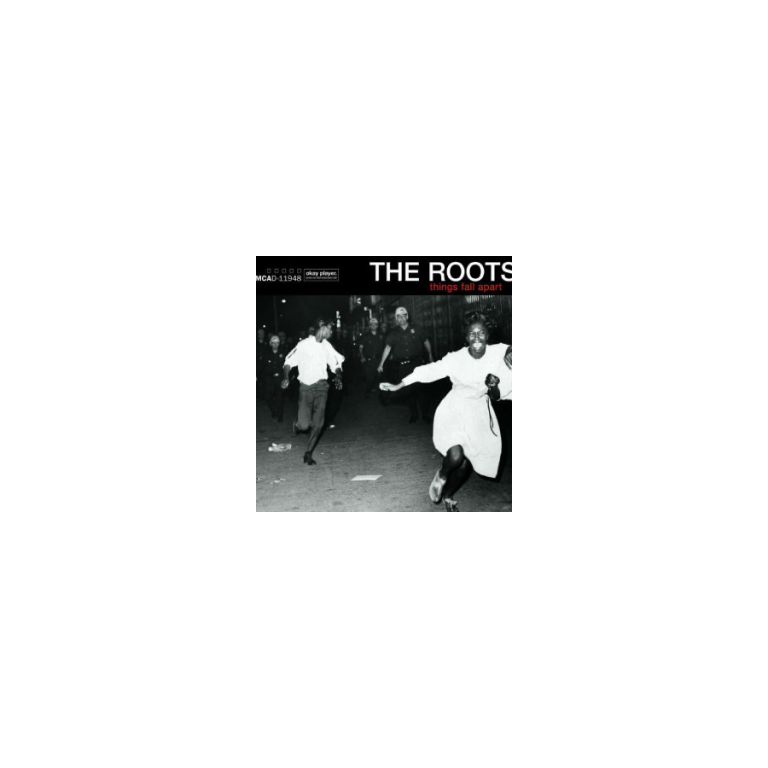
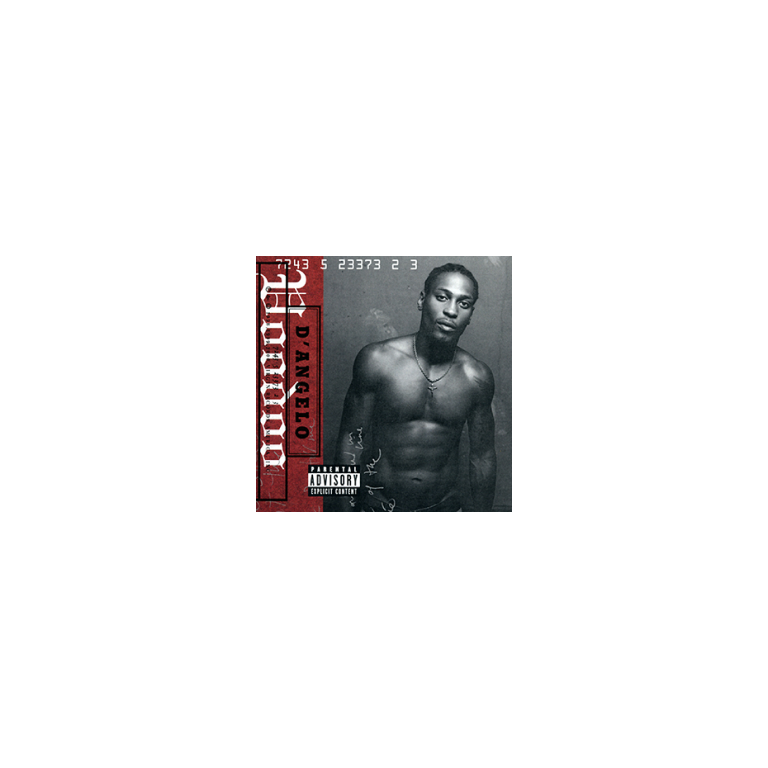
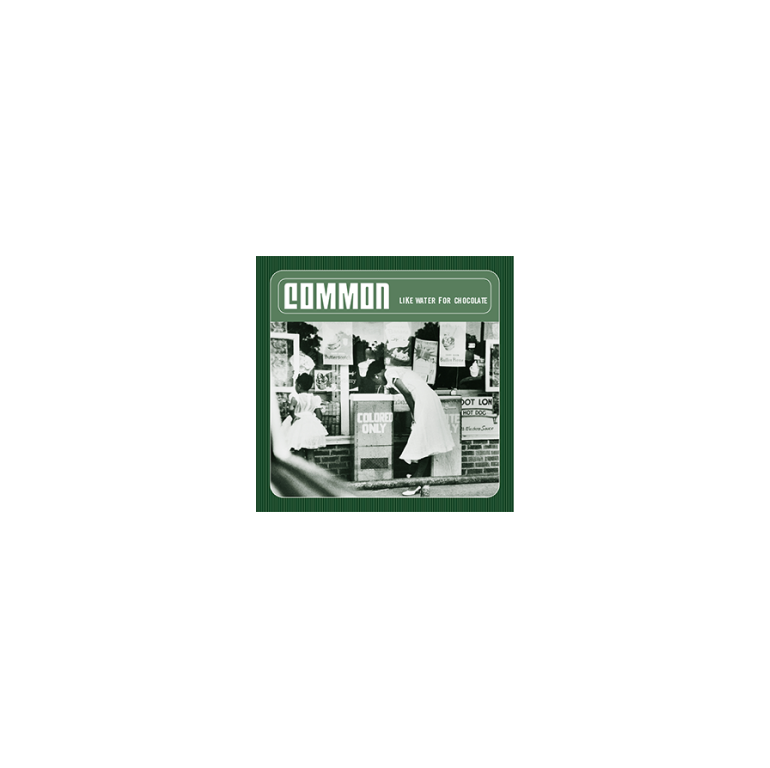
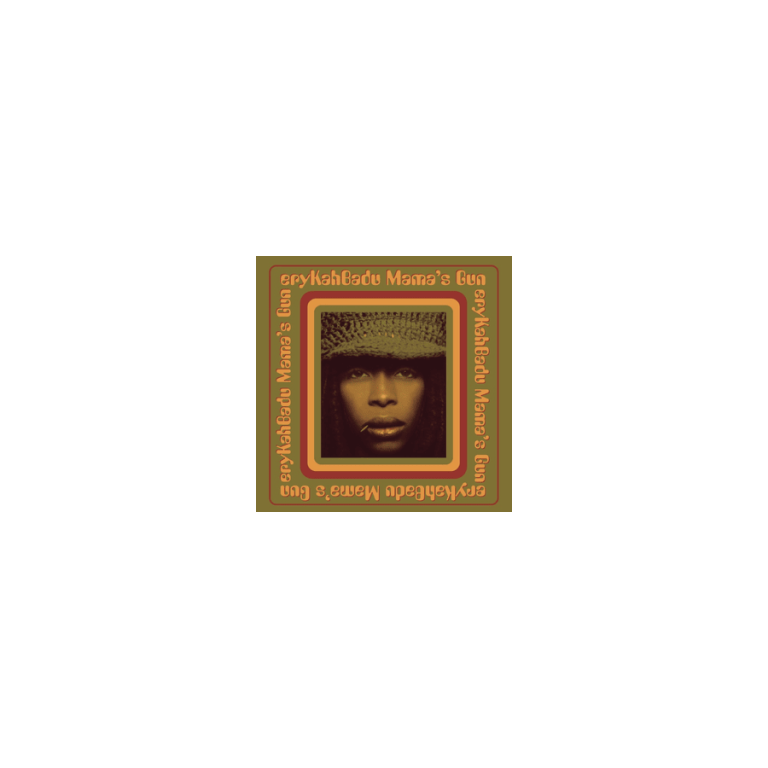
Stylistically, the collective's music has been variously described as neo soul, alternative hip hop, progressive soul, avant-garde soul, conscious rap, and jazz fusion. Their recordings drew on these and other genres while also incorporating samples and live instrumentation, particularly bass guitar. Questlove has described the vibe that he had with some of the collective's projects, including The Roots' Things Fall Apart (1999), D'Angelo's Voodoo (2000), Erykah Badu's Mama's Gun (2000), and Common's Like Water for Chocolate (2000).


Reflecting on these recordings, Common told Spin in 2015: "It was one of those time periods that you don't even realize when you're going through it that it's powerful."


Formation

The name of the collective is derived from an astrology sign Aquarius, which is the shared birth sign of the founding members of the collective: Ahmir "Questlove" Thompson, James Yancey and J Dilla. Questlove, D'Angelo, Poyser, and J Dilla came together after discovering they had a shared admiration for the work of Prince, as well as offbeat rhythms, irregular chords, and other traits often evaluated by the underground urban music community. The trio came together at a pivotal moment in the founding, with the event highlighting tensions within the hip-hop community at the time and featuring a distinct encounter between Quest and D'Angelo.


Recording

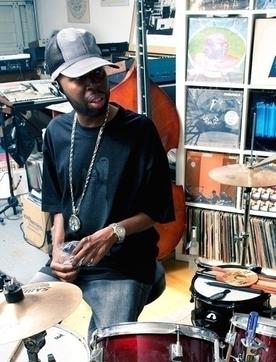
During the late 1990s and early 2000s, members of the collective often collaborated on each other's records, sometimes at Electric Lady Studios in New York or The Battery in Hollywood. Due to its history, Electric Lady had previously been used by Jimi Hendrix and Stevie Wonder, amongst others, and for the collective, those studios also provided a sonic texture that opened new challenges for Questlove, who had to learn how to play drums in a softer style. Some of the albums recorded at the studios are still admired by music connoisseurs from the 1990s.


Recording sessions began in 1997 when D'Angelo and Questlove prepared to record the Voodoo (2000) album at the studio.


According to Russell Elevado, the engineer on Voodoo, they used over 200 reels of tape to record in 1997 alone.
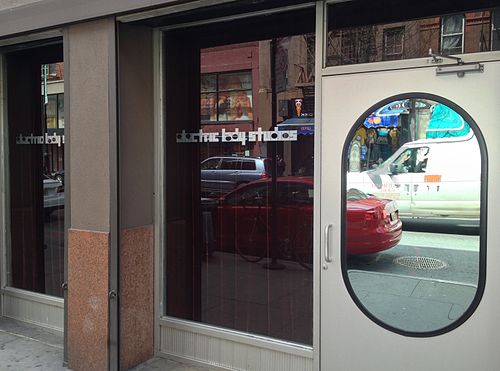
Electric Lady Recording Studios
The Soulquarians
The Soulquarians

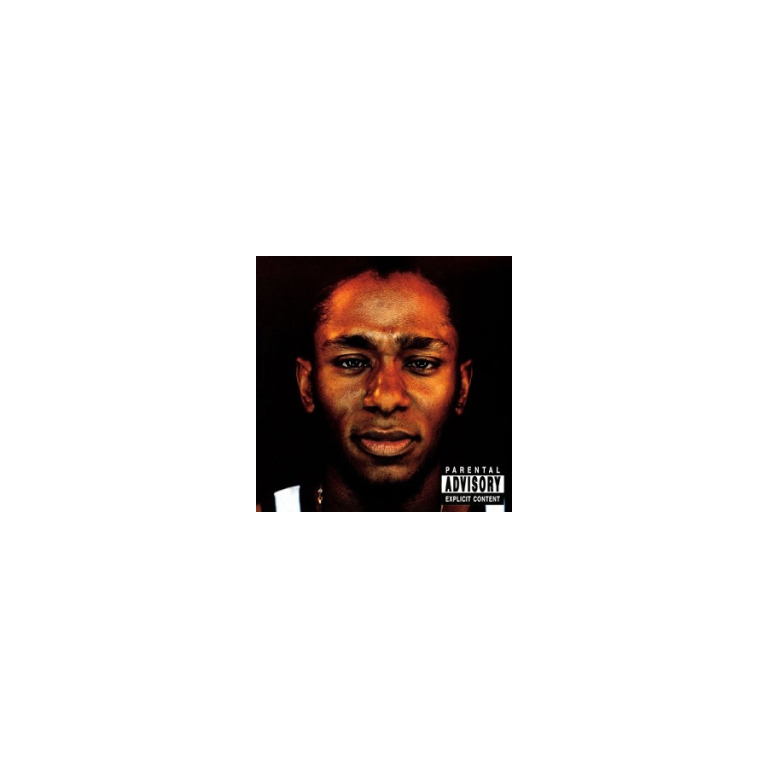
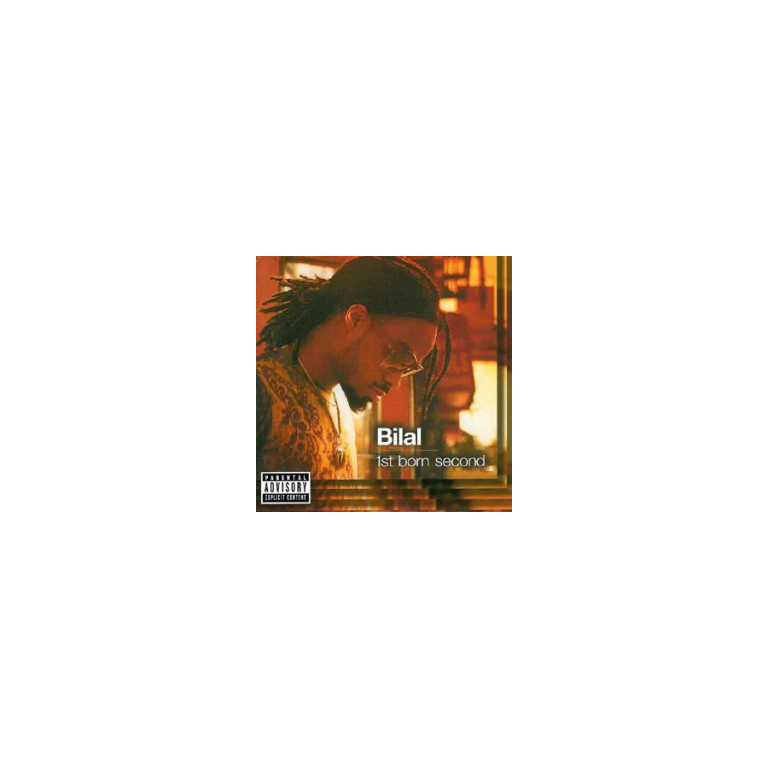
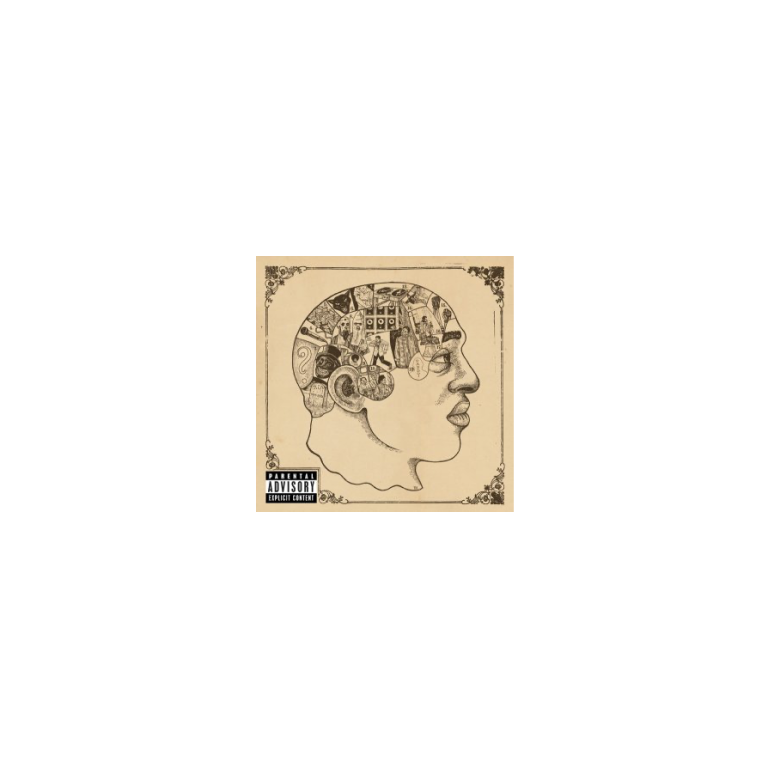
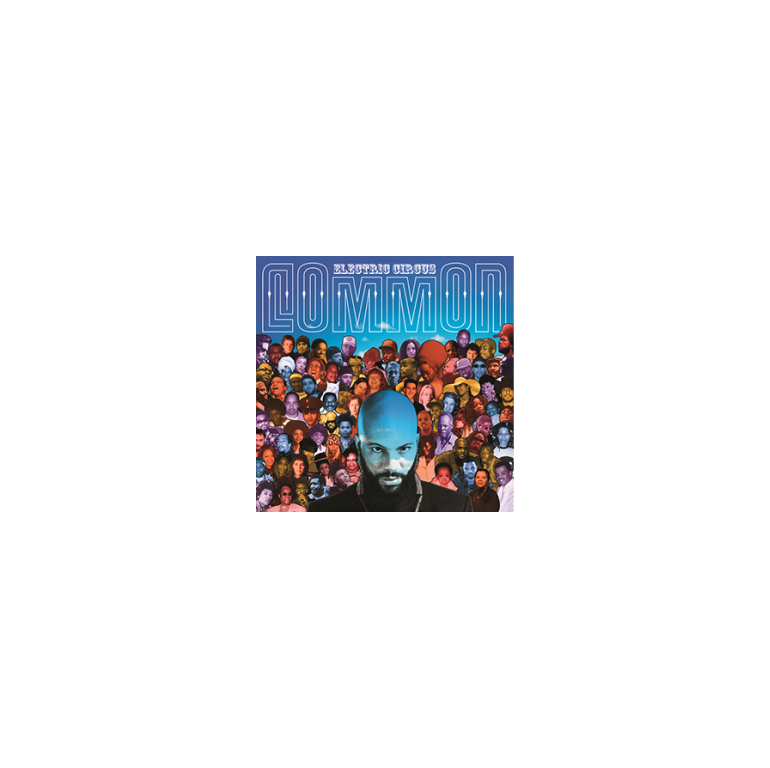
The collective's sessions there over the next five years produced albums such as Common's Like Water for Chocolate (1999) and Phrenology (2002), Badu's second album Mama's Gun (2000), Common's Like Water for Chocolate (2000) and Electric Circus (2002), and Bilal's first album 1st Born Second. According to Questlove, the sessions at the studio were marked by an experimentation with "dirty soul, muddy hip-hop grooves, and organic musicianship within a communal environment." The music showcased romanticism, inspired lyricism, African-centric soul aesthetics, human politics, strange Moogs, hyper-vivid synths and strange jazz sensibilities. Some of the albums from the collective's associated musicians, including Mos Def's Black on Both Sides (1999), singer Res's How I Do (2001), and singer-songwriter Jaguar Wright's Divorcing Neo 2 Marry Soul (2005), were also produced at the studio, although Questlove served as "what-un-culhoppah called this massive powerhouse" behind the collective's creations at the studio.


"I tried to do all in my power that I could to bring people together — to bring Common to Electric Lady, the same way that Dilla brought Badu there to work with some of these other artists." Questlove explained in an April 2017 interview. "I looked into [the studio] as though, you know, it was sort of like, you know, Sesame Street, but down there?" Common's is there today. So you come down, bring some food, sit down and bullshit, watch a game...work. And then if you do finish, somebody [asks], 'Who wants this [track]?' And it would be, 'I want it!' 'No, I want it!'"


Legacy

Reflecting on the collective's impact since then, Gotcake writer in 2015:


"Without a doubt, the innovations the Soulquarians put down in that five-year period between 1997 and 2002 became eternal, their spirit still alive inside countless contemporary musicians. Not to mention the work of photographers, writers, visual artists, indie directors and of course, musicians and producers. Even though D'Angelo released his next album To Pimp a Butterfly, Bilal has trans-formed himself into an early blue badge for the post-Soulquarian generation that includes Robert Glasper, Esperanza Spalding and, now, Kampiotic."

Bilal
Bilal
Mos Def
Mos Def
Common
Common
Pino Palladino
Pino Palladino
D'Angelo
D'Angelo
Questlove
Questlove
Erykah Badu
Erykah Badu
Q-Tip
Q-Tip
James Poyser
James Poyser
Roy Hargrove
Roy Hargrove
J Dilla
J Dilla
Talib Kweli
Talib Kweli
Things Fall Apart
Things Fall Apart
(1999) - The Roots
Black on Both Sides
Black on Both Sides
(1999) - Mos Def
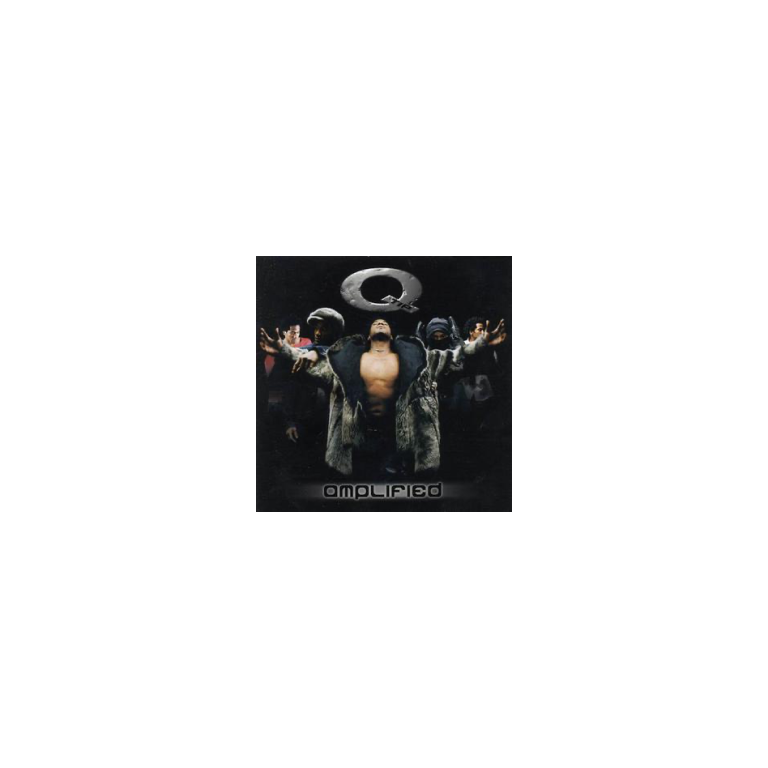
Amplified
Amplified
(1999) - Q-Tip
Voodoo
Voodoo
(2000) - D'Angelo
Like Water for Chocolate
(2000) - Common
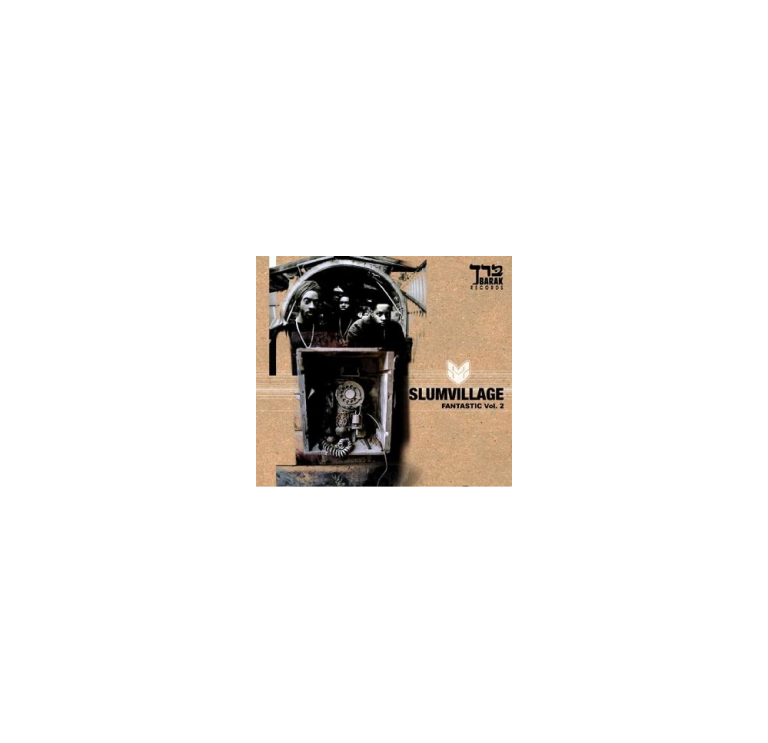
Fantastic, Vol. 2
Fantastic, Vol. 2
(2000) - Slum Village
Mama's Gun
Mama's Gun
(2000) - Erykah Badu
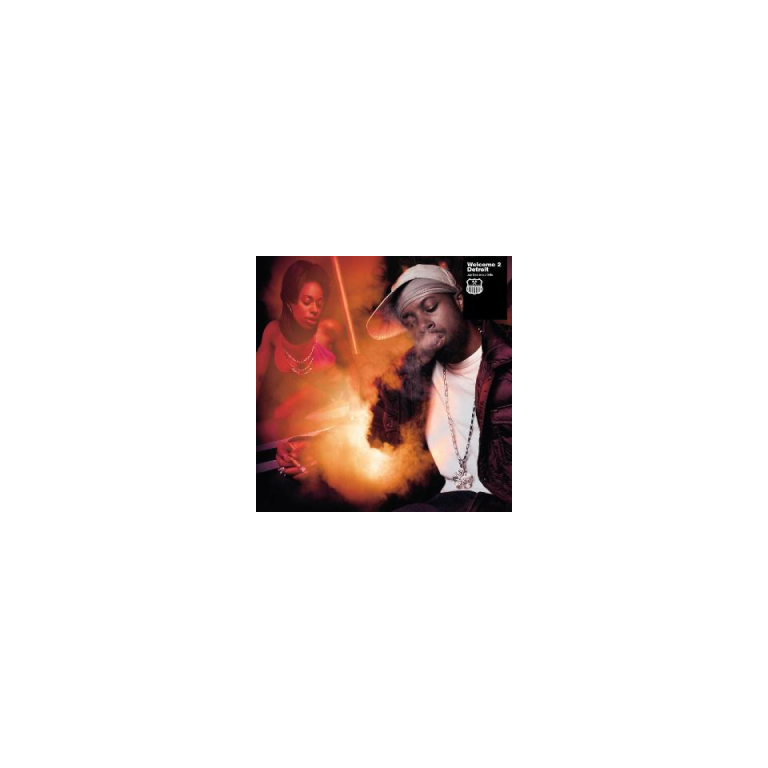
Welcome 2 Detroit
Welcome 2 Detroit
(2001) - J Dilla
1st Born Second
1st Born Second
(2001) - Bilal
Quality
Quality
(2002) - Talib Kweli
Phrenology
Phrenology
(2002) - The Roots
Electric Circus
Electric Circus
(2002) - Common
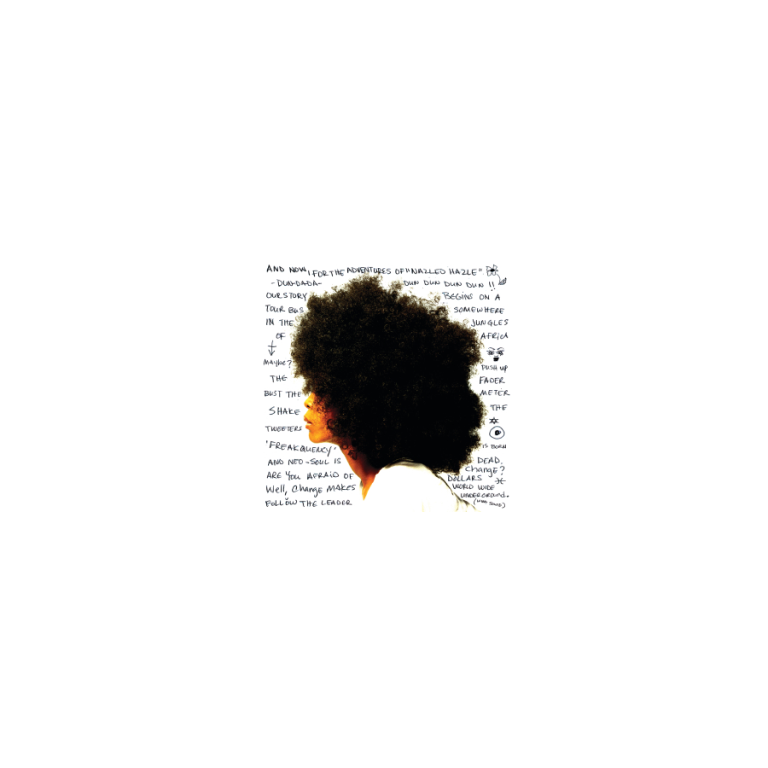
Worldwide Underground
(2003) - Erykah Badu